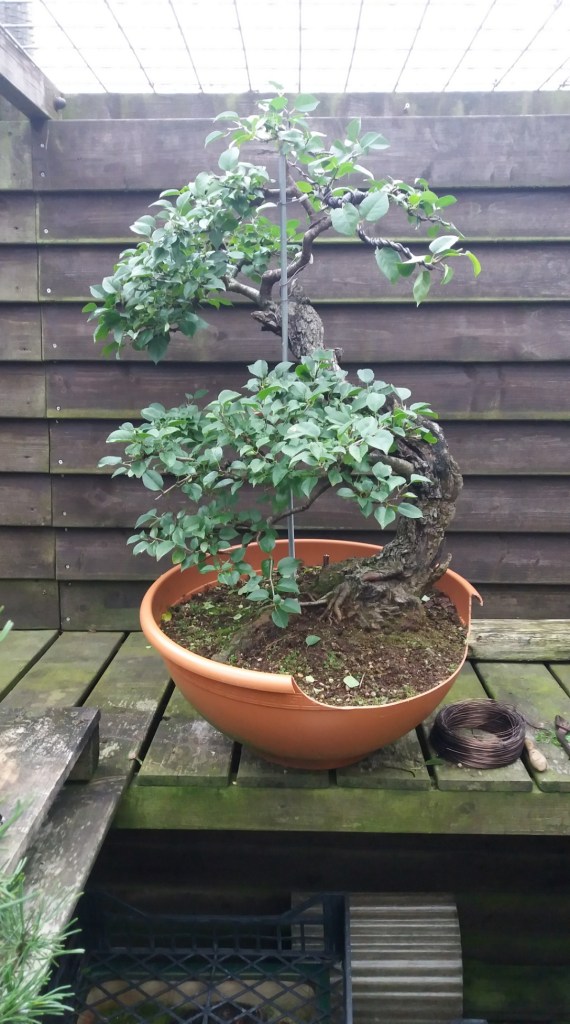
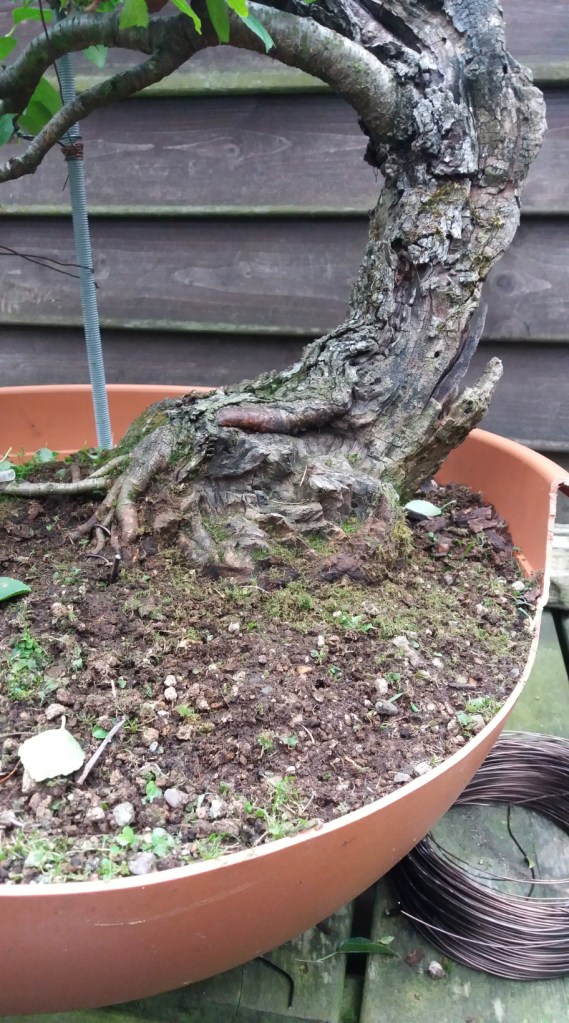
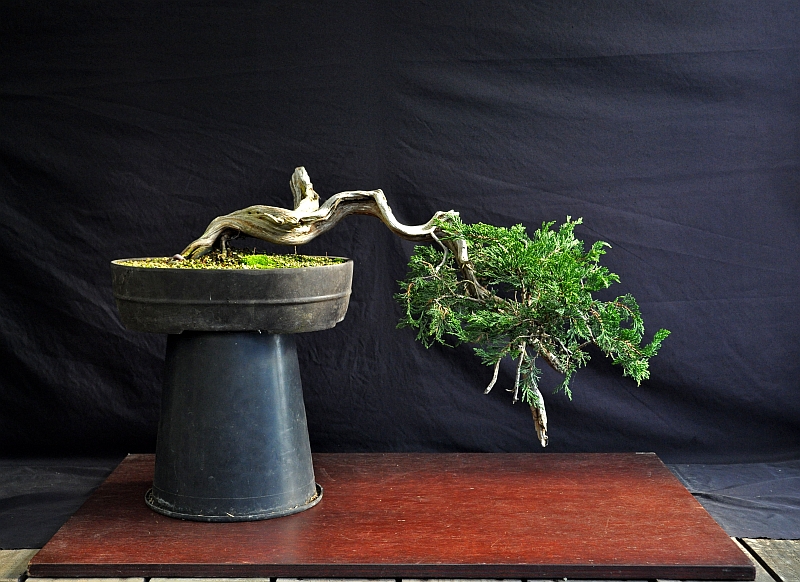
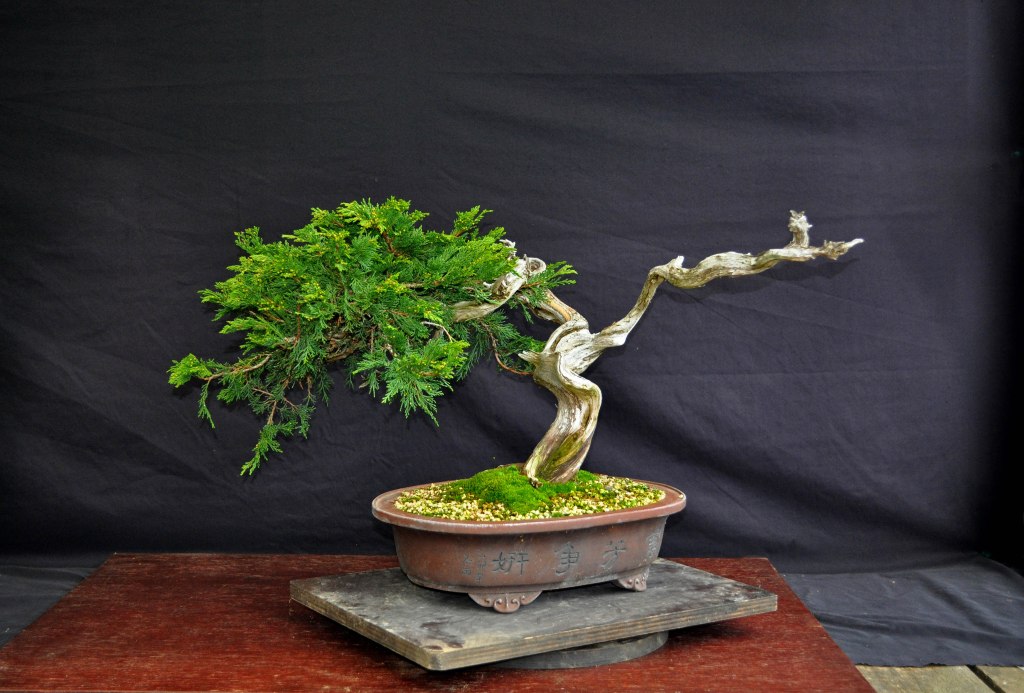
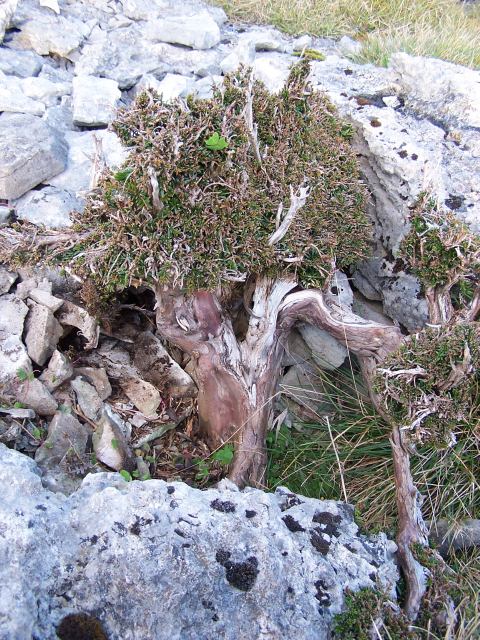
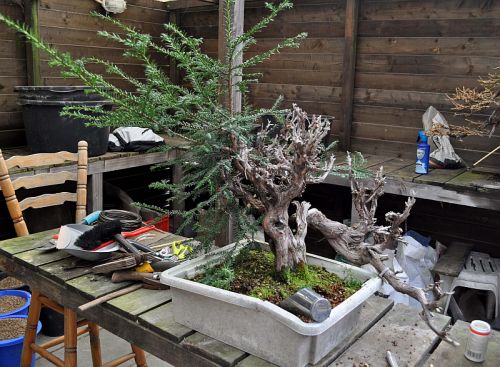
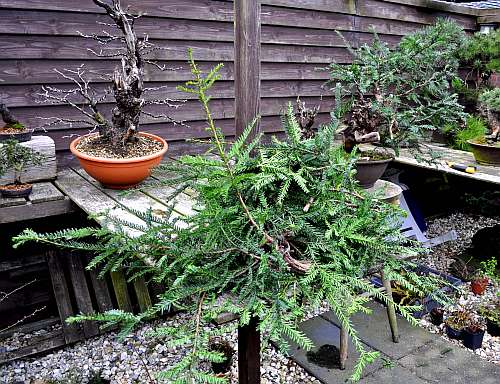
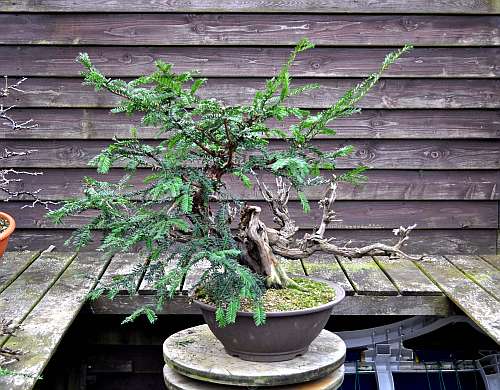
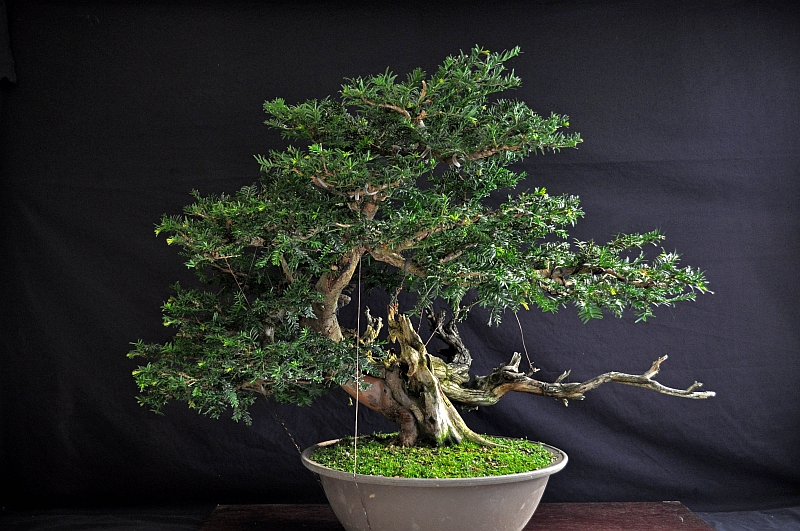
Two closely related more than 70 years old Chamaecyparis Bonsai reunited after being separated for more than 25 years!

Maybe you all remember me telling you about how somewhere in the middle 9ties of last century I was lucky to collect some amazing field grown and more than 50 years old Chamaecyparis obtusa nana gracilis mother plants in Boskoop (Holland).

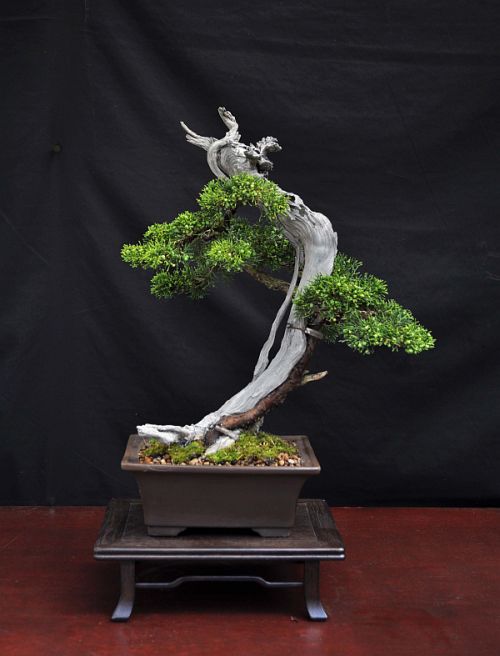
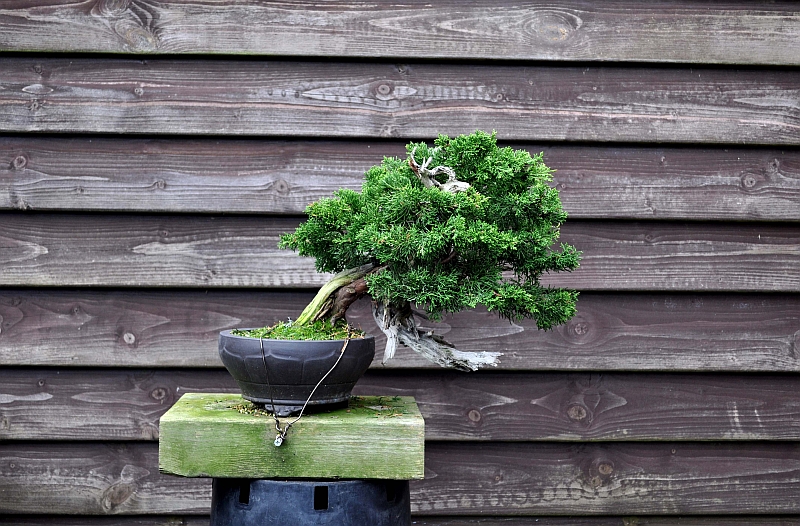
Below: Well, one of those that I collected that day was styled by me and some years later shown in the famous “Noelanders Trophy” in Belgium. That all happened well before the year 2000!
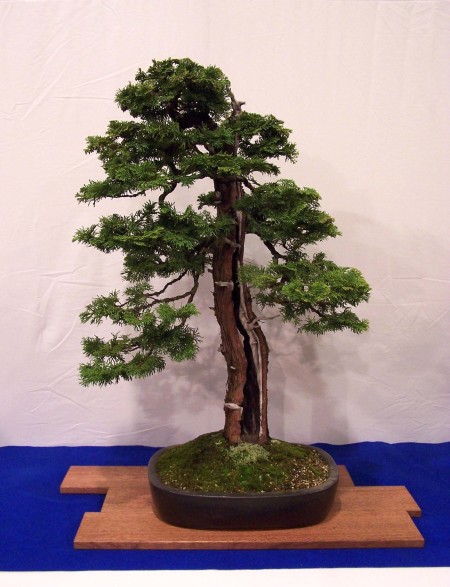
Two decades later I sold this Bonsai to my good friend and student Diederick, who during a styling session with me at his place (Holland) brought it back to a very promising Bonsai again! Diederick has become such a fan of this species that he is always searching the internet to find another promising one! And he did find one and what happened then is just unbelievable, but true!

Diederick found while surfing the internet for Bonsai and raw material a guy near Utrecht (Holland), who had a very old Chamaecyparis for sale. So he drove up there and when he saw that tree, he immediately thought that it looked very familiar to the one he has at home?! So he asks about its history and origin?! The owner then told Diederick that many years ago he collected it and a few other ones at a professional growers’ place in Boskoop (Holland)! And that it was like the other ones in that plot always used as a Mother plant that was grown to take many cuttings off. And that it grew on its own roots so it was not crafted and that it must be by now about 70 or 80 years old! He told Diederick: I remember that day well because Hans van Meer was digging up 2 or 3 of these Chamaecyparis Mother plants right next to me in that same plot?! Diederick was flabbergasted by this coincidence and told him that he recognized this story and that he now owned one of these Chamaecyparis trees that I had collected all those years ago right next to the one he was now planning to buy from that guy?! Diederick was more than happy to buy this tree and later wrote to me: Hans after more than 25 years of separation these so closely related trees are back together again in my garden…what was the change of that ever happening?! Now I know that they are just plants…but I find it a heartwarming story in these troubled times!

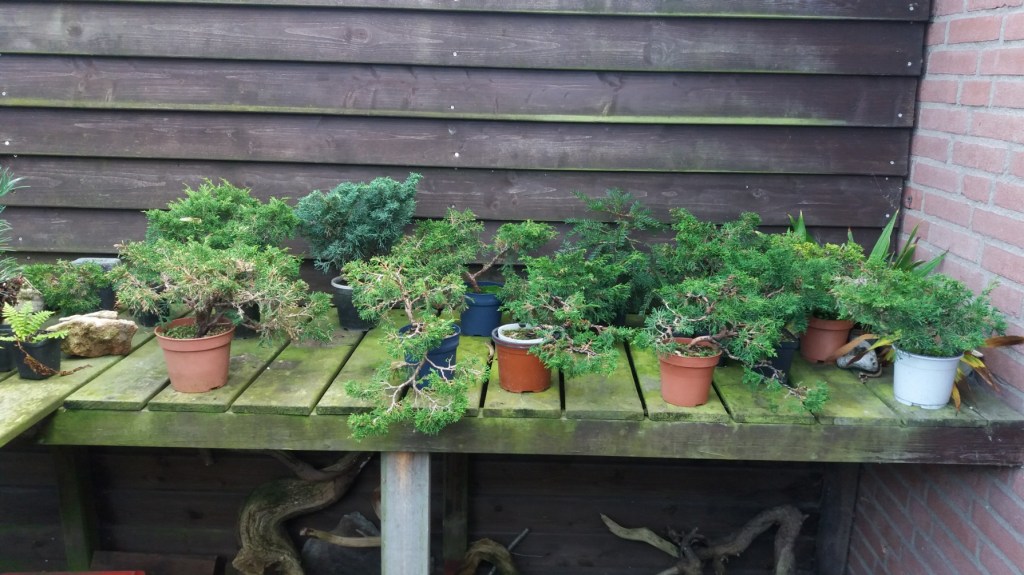
Below: The garden of Diederick where the (top-picture) Chamaecyparis that he just bought now closely lives next to his (below-picture) brother-sister again after all these years!

I hope you enjoyed this little heartwarming story as much as we did?
Stay safe and healthy everybody!
Cheers,
Hans van Meer.
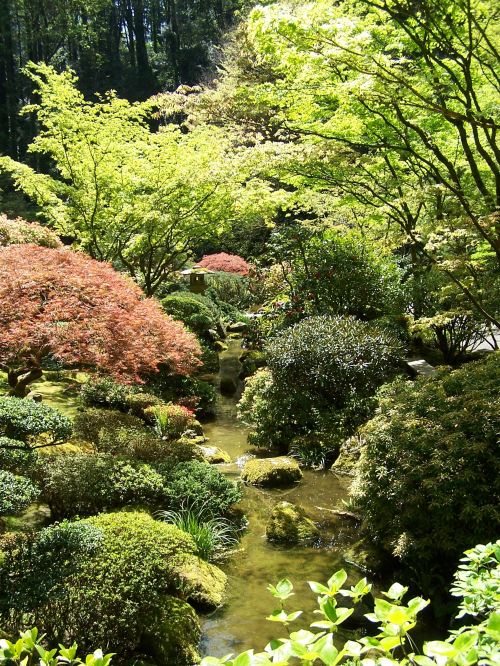
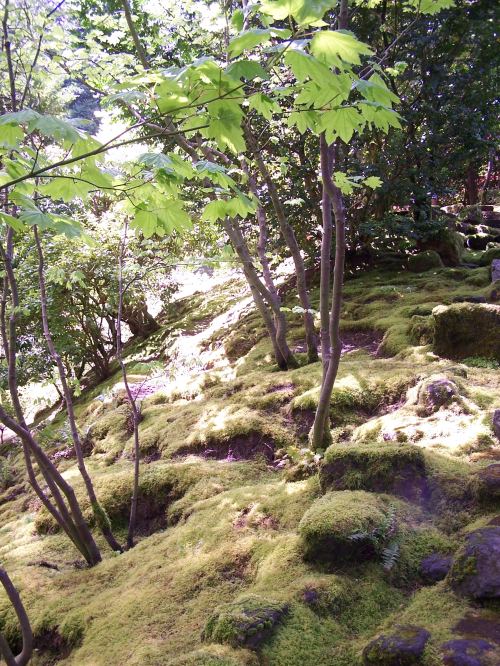
A collection of the many pictures I made over the last couple of years.

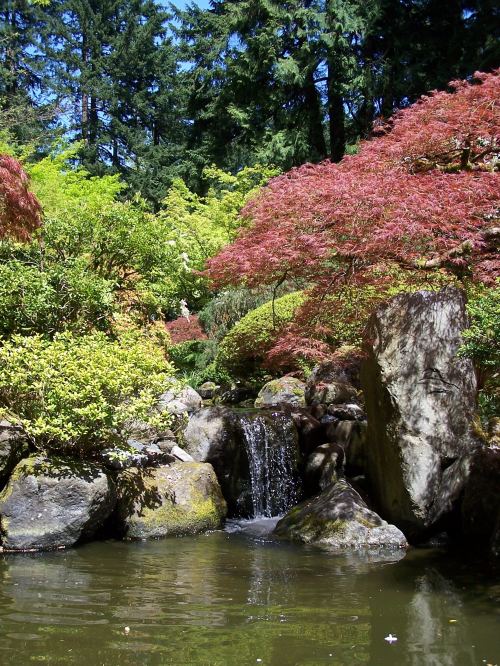
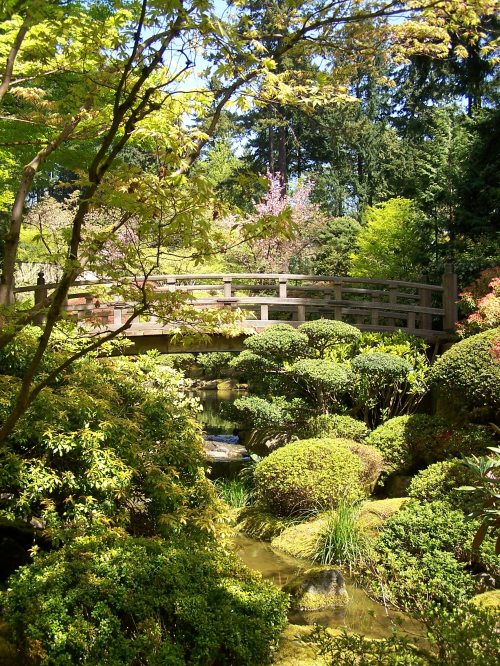
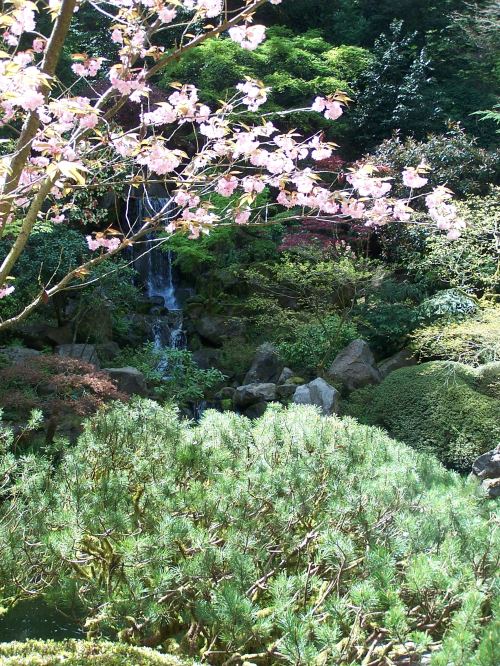
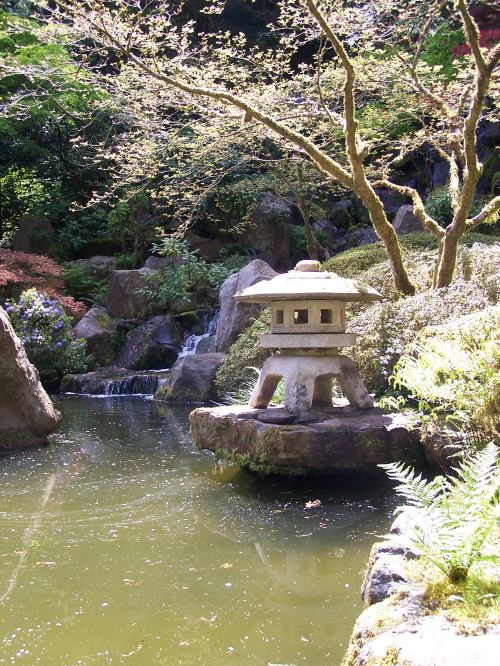
Above and below: In May of 2008, I was invited to come to the U.S.A to give Bonsai workshops and demo’s in 3 different states. The first state I visited was beautiful Oregon. Where on my day off my friendly host Jason took me up to the Japanese Garden! I say up because it is situated on a steep mountainside in Portland! These pictures were made with an old, not very good camera, but they came out good enough to show them to you.

Below: You can find tons of pictures from this stunning famous red Acer on the web!


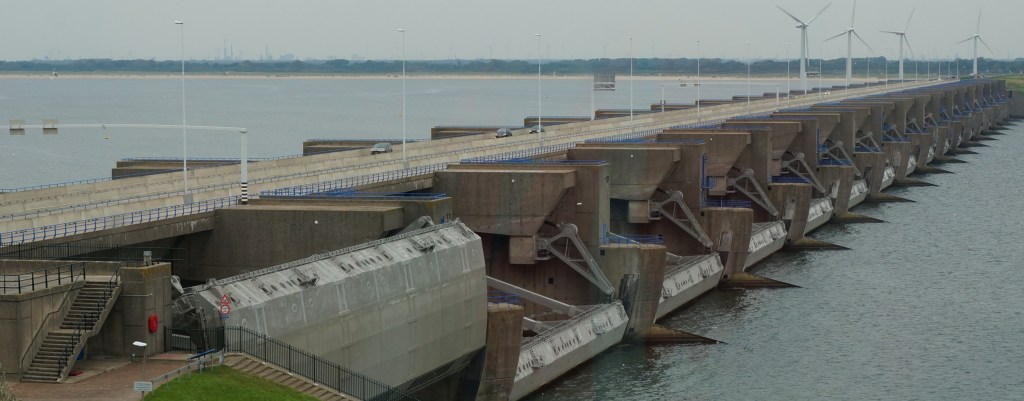
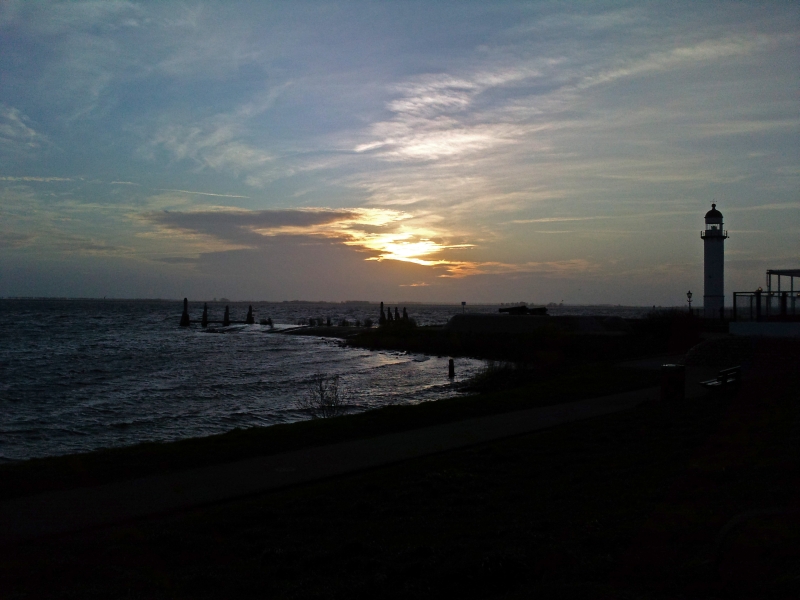
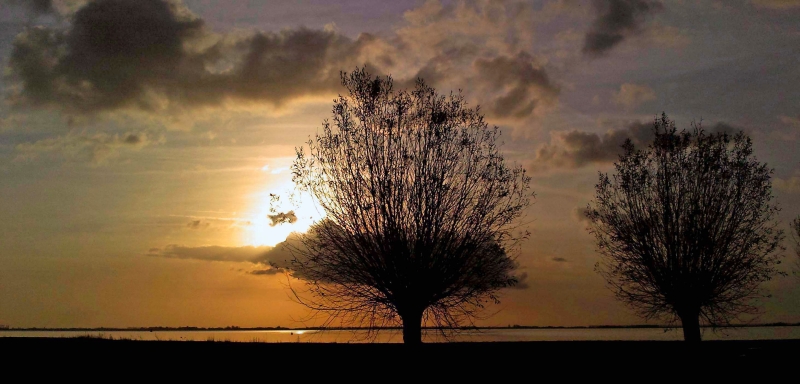
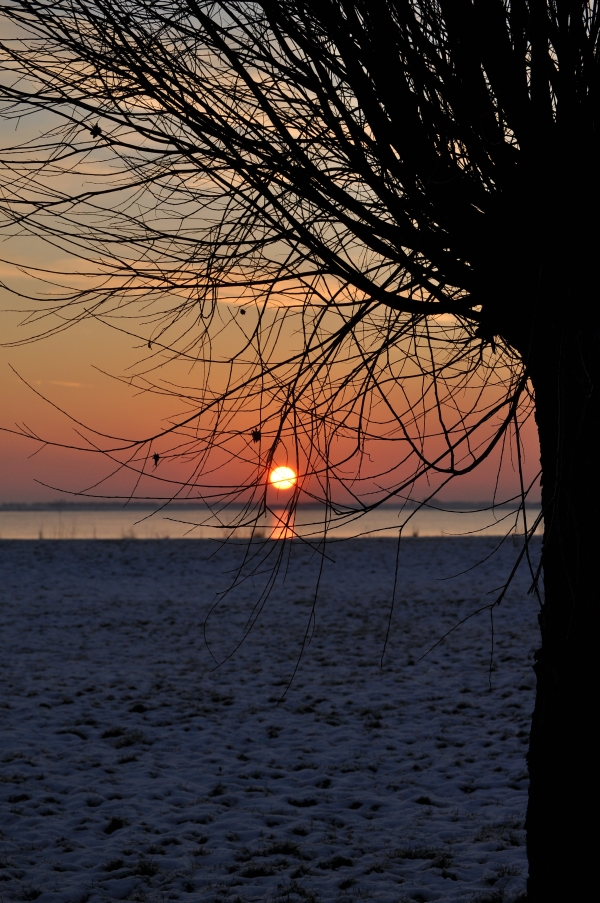
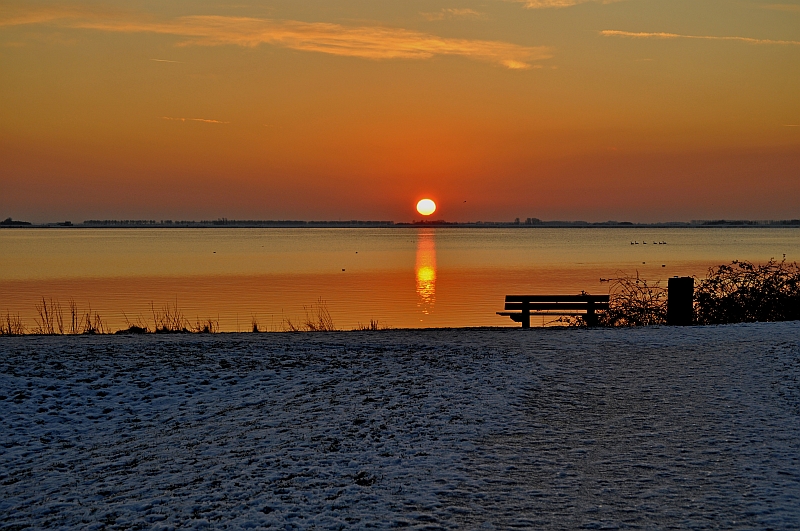
Above: The mighty rivers the Rijn and the Maas come together to form the Hollands Diep, which further on becomes the Haringvliet that runs past our little island Hellevoetsluis! All the next sunset pictures are shot just a 5 minutes walk away from my home on the banks of the same Haringvliet. I only have to walk through a few short streets to reach the several meters high and many kilometres long dike that protects the whole of south Holland from flooding by the rivers and the sea! I actually have to climb stairs to get up this dike and then down the stairs again to reach the small patch of land and a small beach that lies in front of this Haringvliet! This is always very confusing for my foreign friends when I take them for a walk along the seaside! They often ask: do you have to climb stairs to get to the beach?! Ower house on the safe side of this massive and many miles long dike is built just around sea level! But when it storms or with high water it actually lays below sea level! Standing on this shore where these pictures are made and looking to the right you can see the world-famous Haringvliet dam that holds out the mighty Noordsea! It can be opened or shut-in sections. In the picture above you can see that one of these sections is open to let in saltwater so that saltwater vis can swim in and out to spawn. I hope you enjoy these pictures of this unique and often magical place?!
Above: 7-1-2009. “Haringvliet partly frozen”.
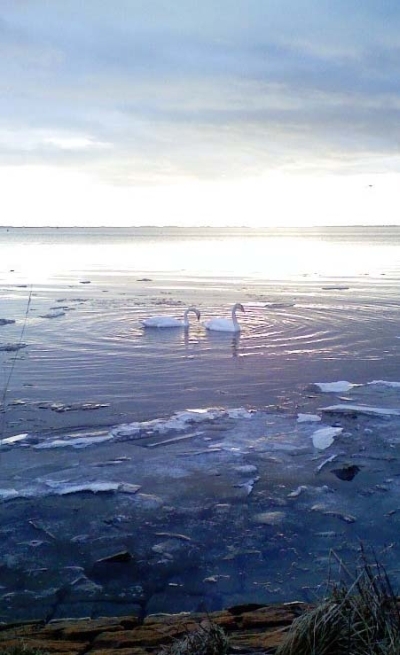
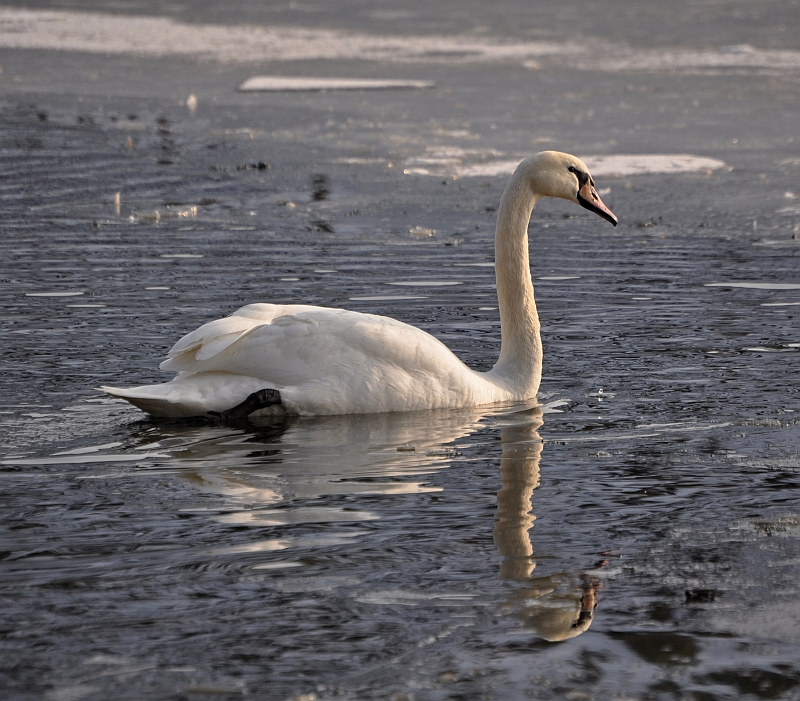
Above: 7-1-2009. “Swans in partly frozen Haringvliet”.
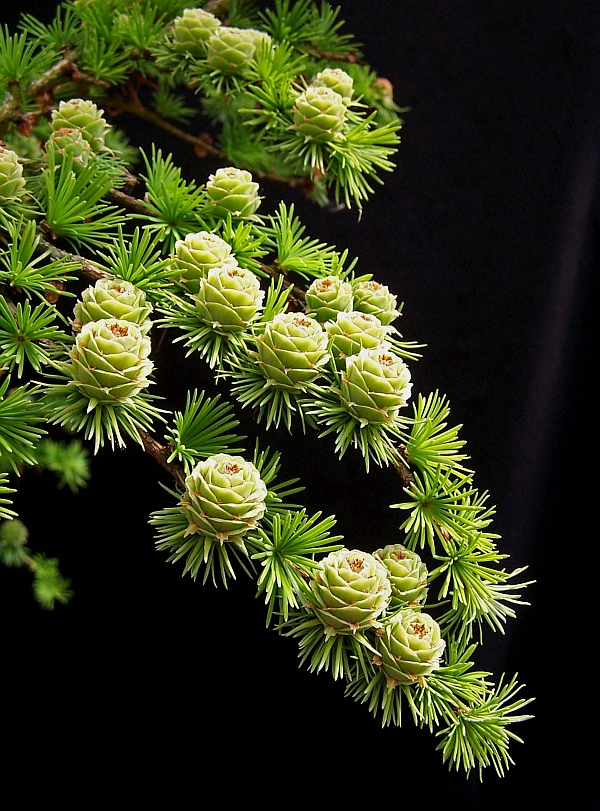
Above: 18-4-2009. “Larch in bloom”.
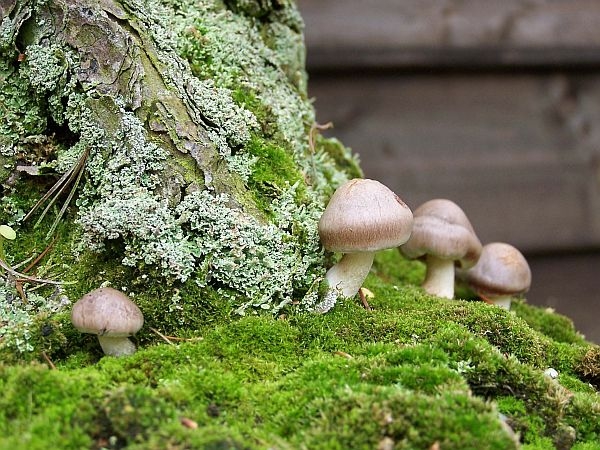
Above: 28-09-2009. Mushrooms growing next to my old Pinus parviflora.
Above: 15-12-2009. “Lighthouse at Haringvliet in Hellevoetsluis”.
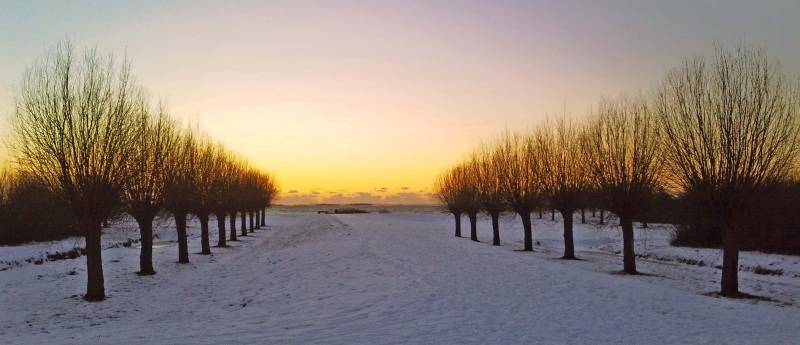
Above: 15-12-2009 “Winter Sunset I” Haringvlliet in Hellevoetsluis.
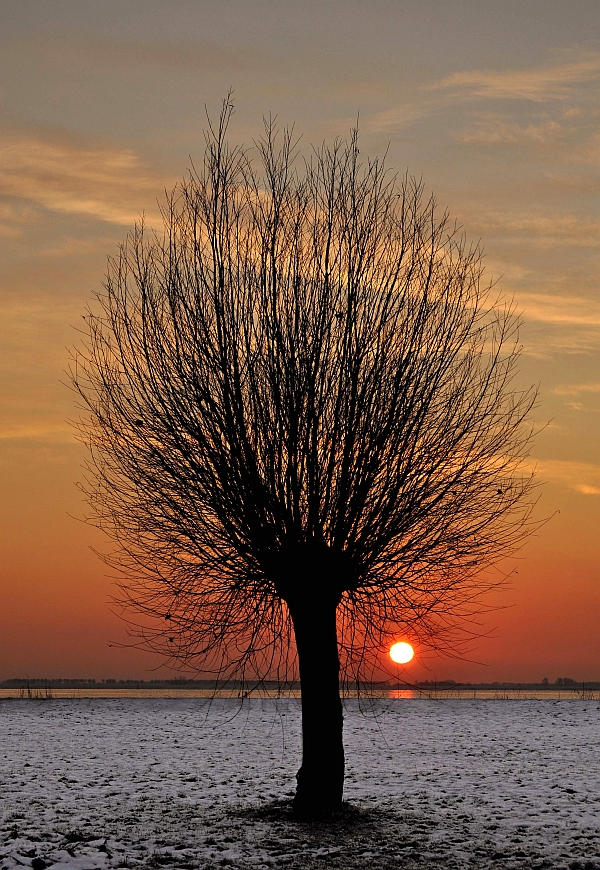
Above: 15-12-2009 “Willow Sunset” Haringvliet in Hellevoetsluis.
Above: 15-9-2009 “Winter Sunset II” Haringvliet in Hellevoetsluis.
Above: 17-12-2009. “Willows” at Haringvliet in Hellevoetsluis.
Above: 17-12-2009. “Willow” at Haringvliet in Hellevoetsluis.
Above: 17-12-2009. “Willow & Sunset” Haringvliet in Hellevoetsluis.
Above: 17-12-2009. “Haringvliet in Hellevoetsluis”.
Above: 20-12-2009. “Haringvliet in Hellevoetsluis”.
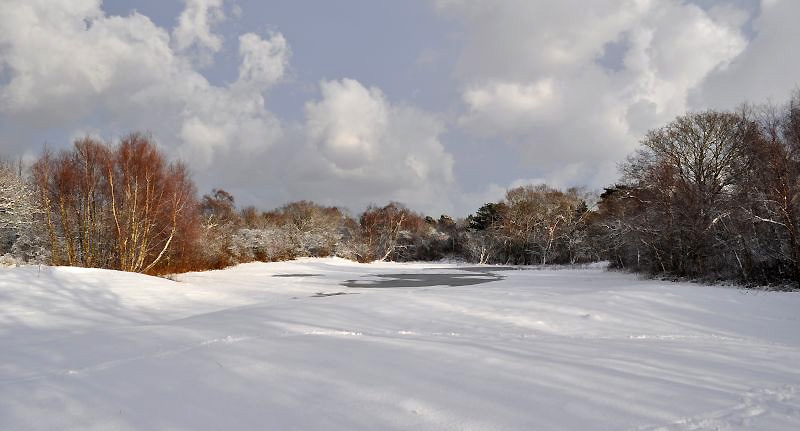
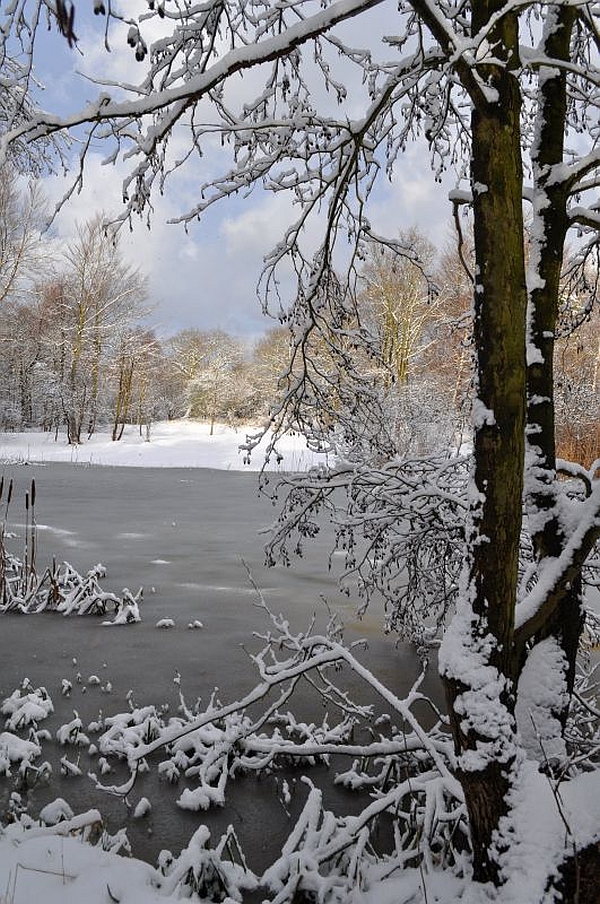
Above: 1-1-2010. Location: Near “Rockanje” in South-Holland, some 15 minutes from my home. This is a picture of a small lake named “Tenella lake” that is situated near this small town. This lake lies in a rare wet dune forest named: Quackjes water.
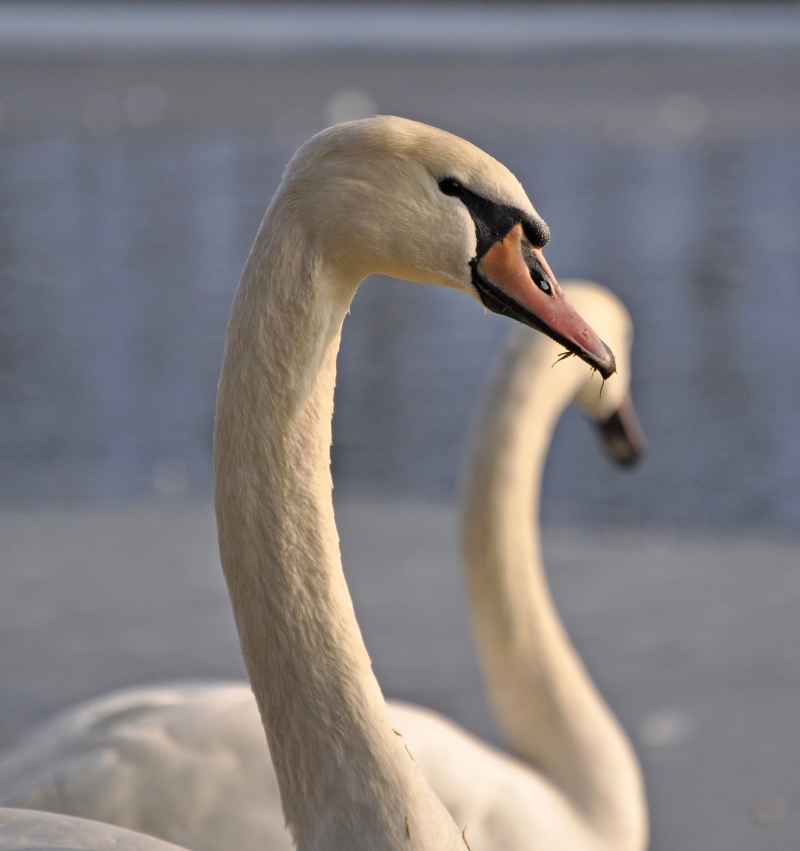
15-2-2010. Above and below: Swans hibernating in a small lake close to where I live.
Below: 17-12-2010. Pond with an island in “Rockanje” in South Holland.
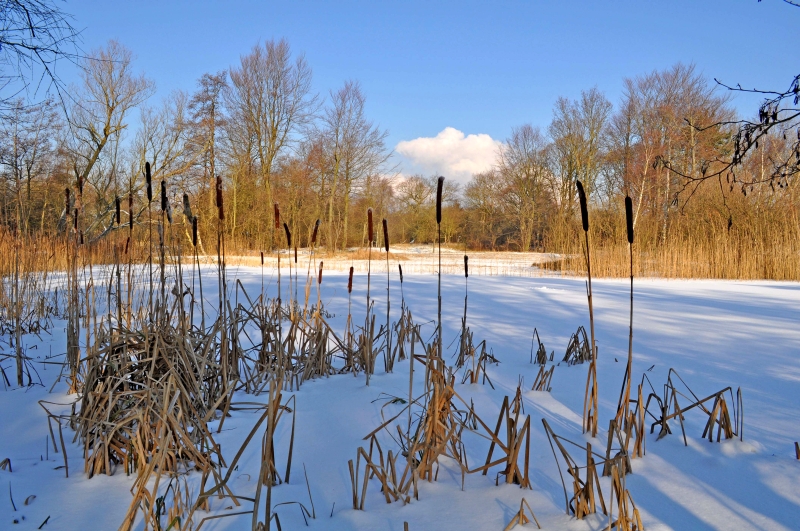
Below: 17-12-2010 “Tenella lake” in Wintertime.
Below: 17-12-2010 “Tenella Lake” in Wintertime.
Below: 17-12-2010 “Tenella lake” in Wintertime.
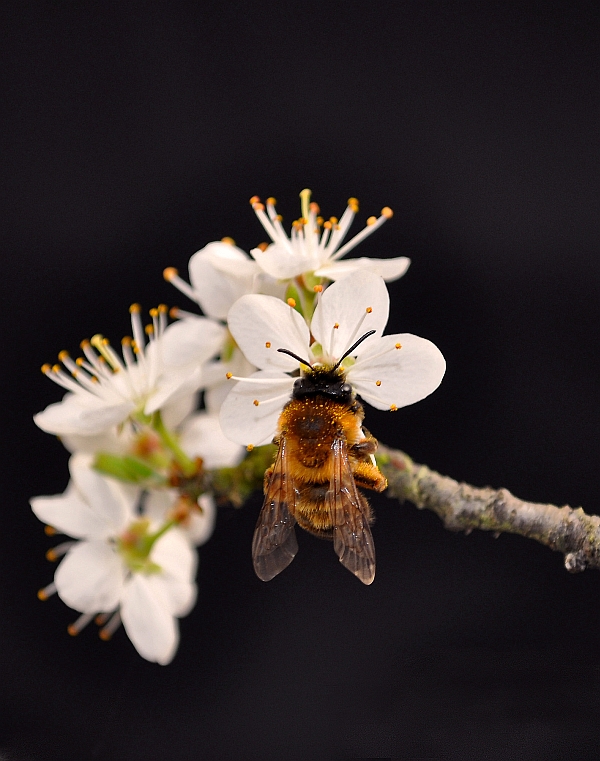
Below: 12-4-2011: Bumblebee on my Blackthorn.
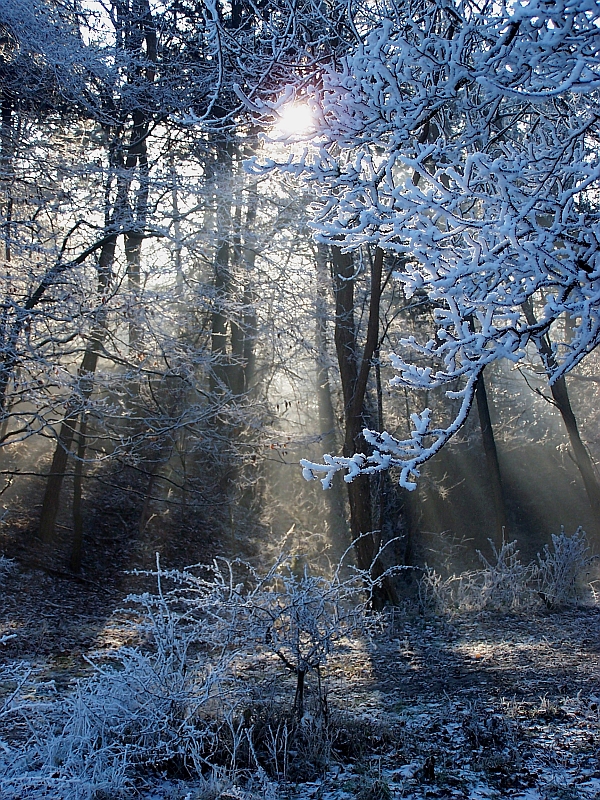
Below: 17-12-2010 “The Quackjeswater wet dune forest” in Wintertime.
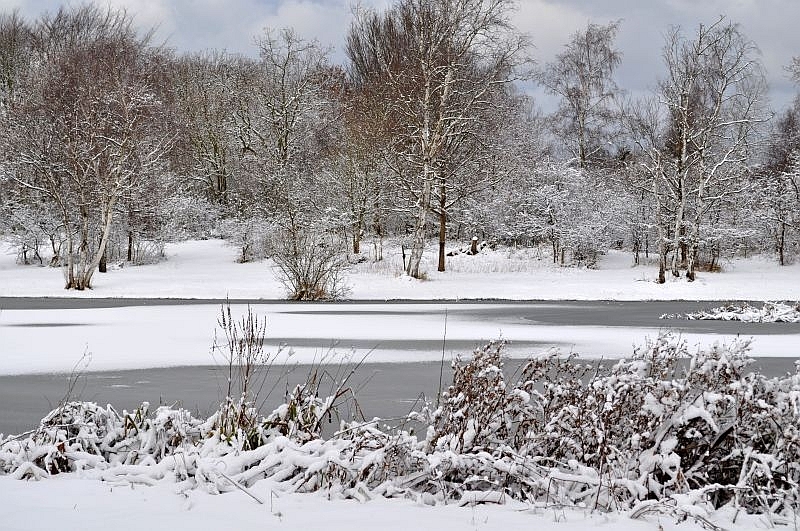
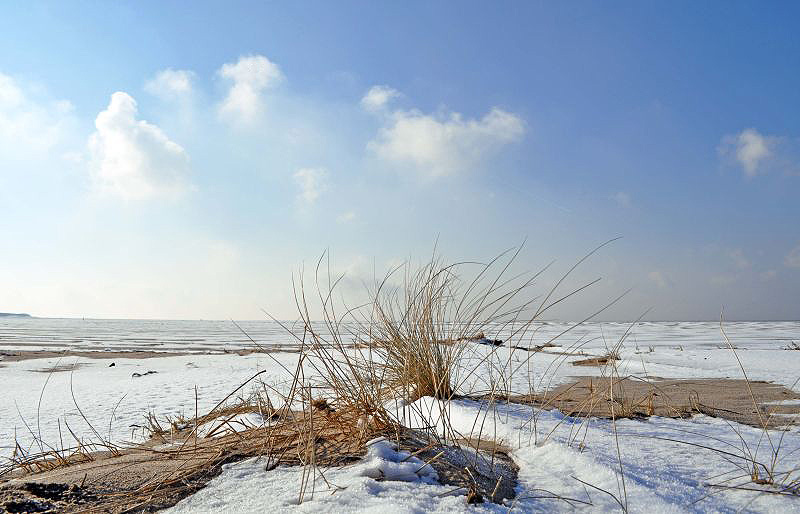
Below: 4-2-2012 “Tenella lake in Wintertime”
Below: 4-2-2012. This is where the Quackjeswater wet dune forest finally reaches the beach of the North sea that was here partly frozen!
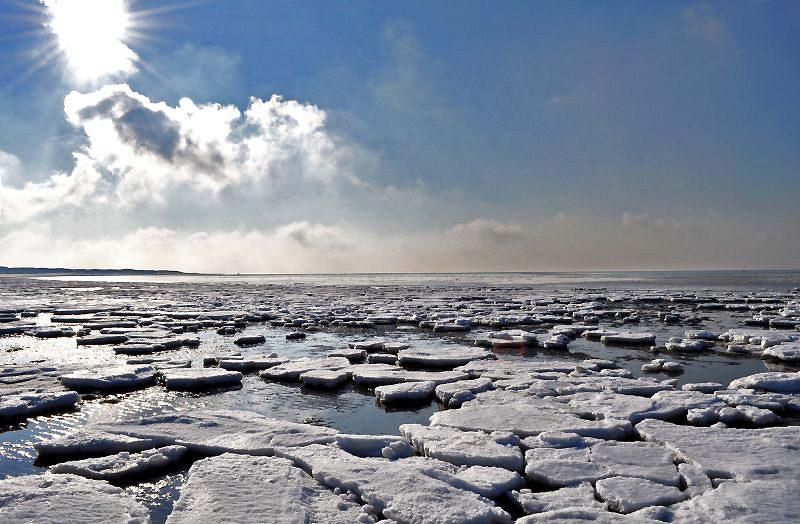
Below: 4-2-2012. The North sea is partly frozen.
Below: 4-2-2012. Cold Robin near “Tenella Lake”.
Below: 11-7-2012. I was more than proud to take pictures at the fairytale wedding of my two lovely nieces.
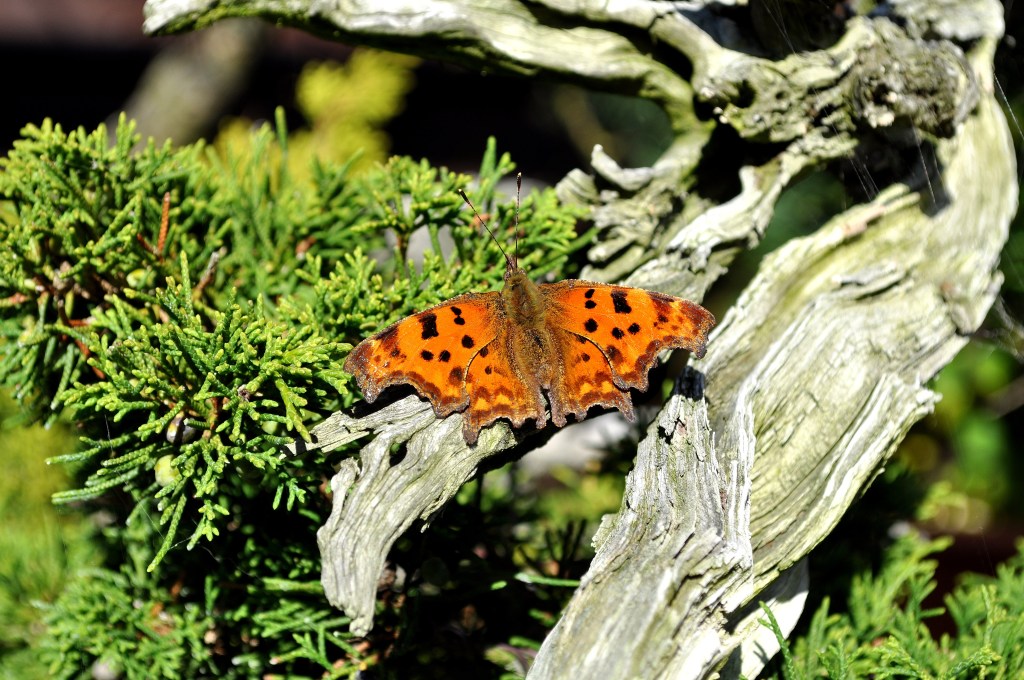
Below: 9-10-2012. Butterfly on Juniper deadwood.
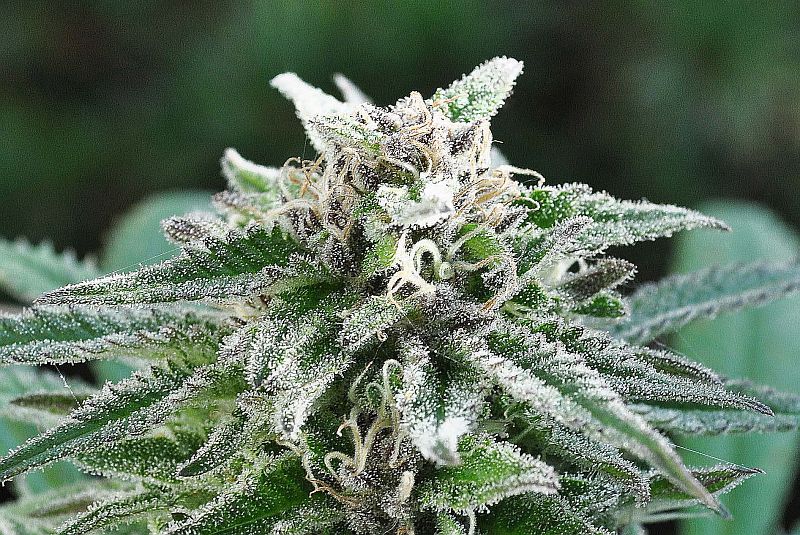
14-10-2012: Below. The beauty of medicinal herbs.
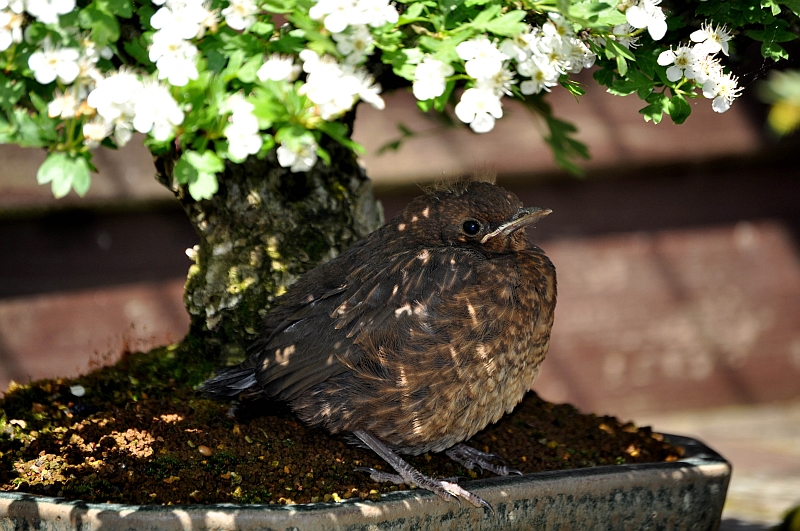
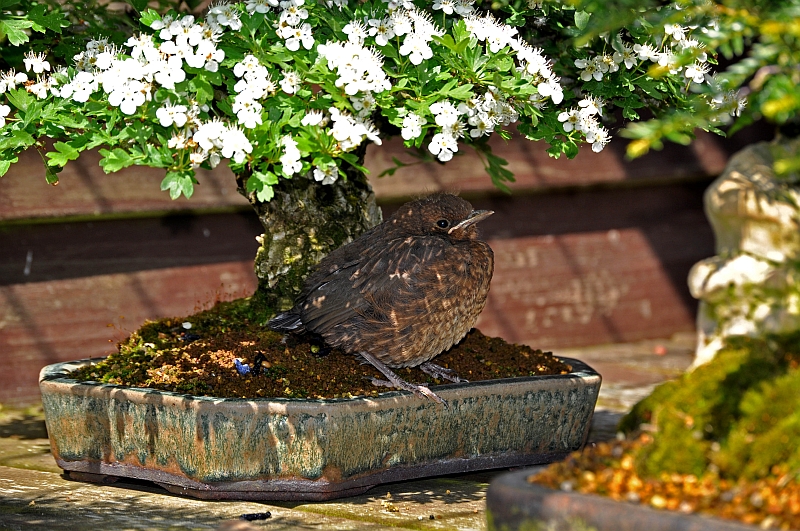
14-5-2015: Below. Little lost Blackbird seeking shelter from the hot sun.
14-5-2015: Cosy and safe under need my old Hawthorn.
8-10-2015: Spider sunbathing in my garden.
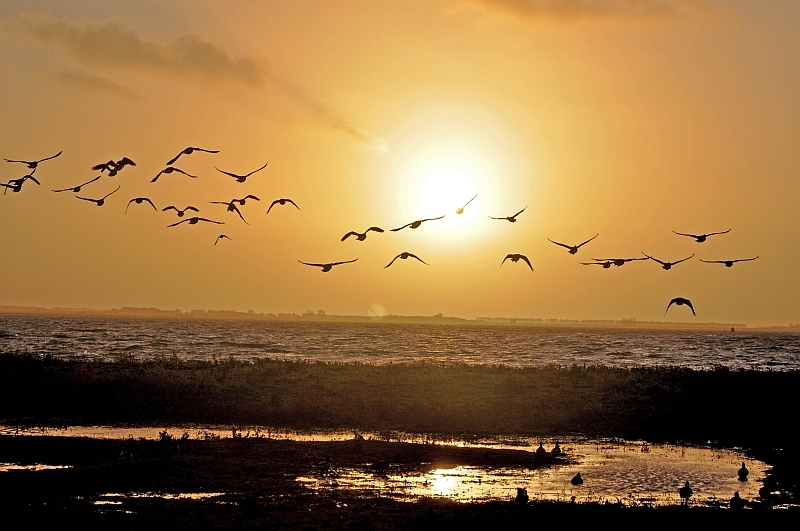
Below: 8-12-2019: Wetlands along the seaside of the long dike. Thousands of births of different species spend the winter or live here permanently. In the distance, you can just see “Goeree overflakkee” the next big island of Zeeland.
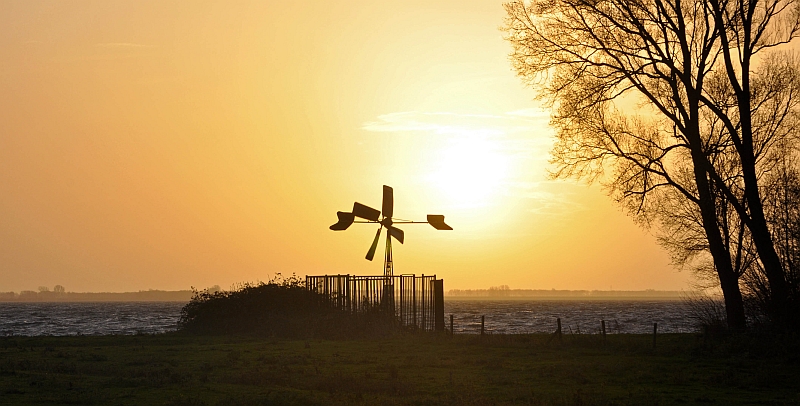
Below: 8-12-2019: These small windmills pump water to the sea and make sure that the water level in the many small channels those not get too high.
I hope you enjoyed my pictures?!
Cheers,
Hans van Meer.

Some pics and stories.

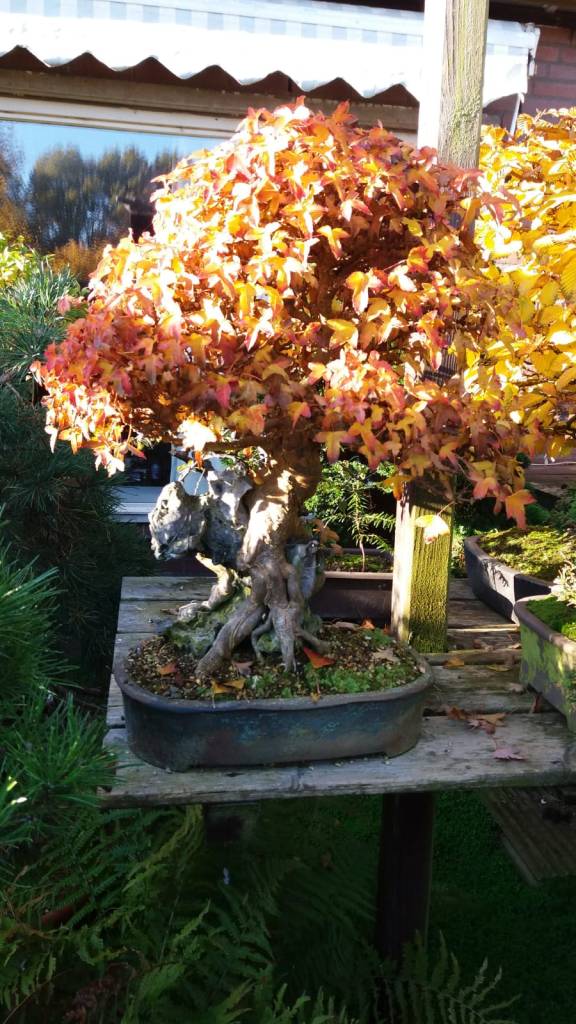
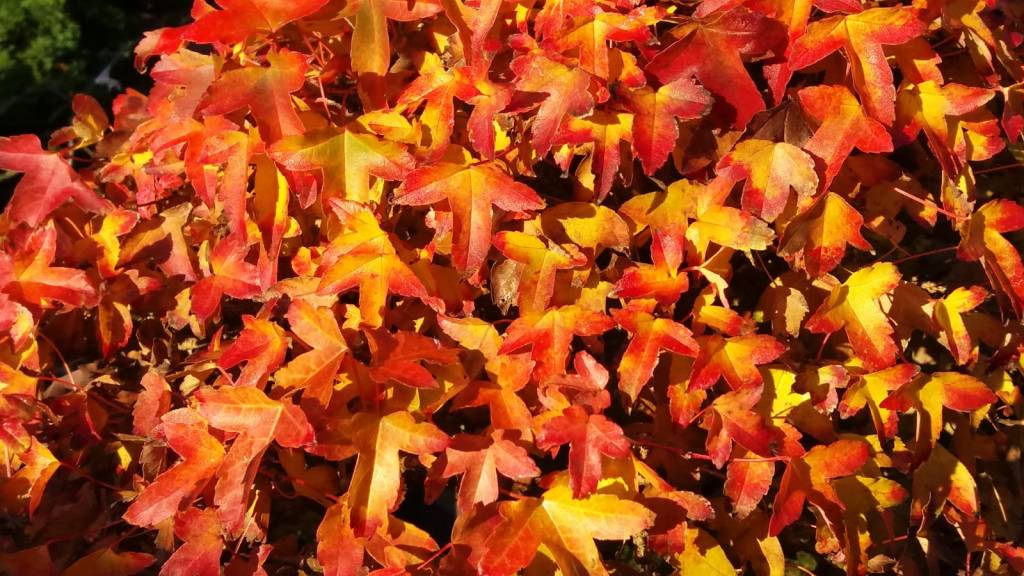
Below: This Acer buergerianum on a rock is one of my earliest Bonsai and I wanted to show it to you because it has such amazing fall colours despite the record-breaking hot Summer that we had this year!

Below: This amazing Prunus mahaleb Yamadori that was collected in March 2012 in Slovenia used to be a twin trunk and is a bit of wonder because the first Spring after collecting the left somewhat boring thick trunk made a ton of new buds more or less everywhere, but the right trunk that was interesting all over with beautiful old deadwood did absolutely nothing?! Two years later in the Summer of 2014, I was just about to see it off to turn it into a long Jin when I suddenly discovered two very tiny green buds on it!!! The first tiny one was some 40cm above the soil line and the second one grew almost at the top. I could not believe my eyes and luck and it is needless to say that I did not turn it into a Jin! During the next years, those two tinny buds grew like crazy, so in early 2017 I decided to air layer the lesser of the two trunks and just a few mounts later it was already safe to separate this lesser trunk from the very unique trunk full of deadwood! Wich, you can all see HERE on my YouTube channel! The stump that was left was styled with power and hand tools to mimic the beautiful natural deadwood that runs all along the trunk from bottom to top. In the picture below from the backside of the tree, you can see what is left of this stump and the amazing new roots that grew over it!

Below: close-up of the new deadwood that mimics the old natural deadwood (Shari) above it. Nothing reminds me anymore of the trunk that was separated from it!

Below: Front side. It is truly amazing to see just how many branches have grown from those two tinny buds! There is still a lot of growing and styling to be done over the next years, but I believe that this will be a very special tree in the nearby future! 

Somewhere in the late 19ties, I was lucky enough to buy 3 Itoigawa Juniper starters from Danny User at his “Gingko Bonsai Centre” in Belgium. They were all very straight 30 cm high cuttings that he had specially imported from Japan to craft on his trees.

Above and Below: Since then over the years, I must have taken at least 100 or so cuttings off of them, from some of them I successfully made several Tanuki Bonsai that I when finished sold to my students.

Above and below: Both of these were Phoenix grafted onto very hard and rot-resistant Yew deadwood and now live happily in my student’s gardens!

Below: The rest was allowed to grow fast and freely and some of them were later wired to give them all the shape of a basic starter and mostly sold to colleges and my students. And a handful full older ones were sold to my students complete with a design that I had drawn for them to follow.

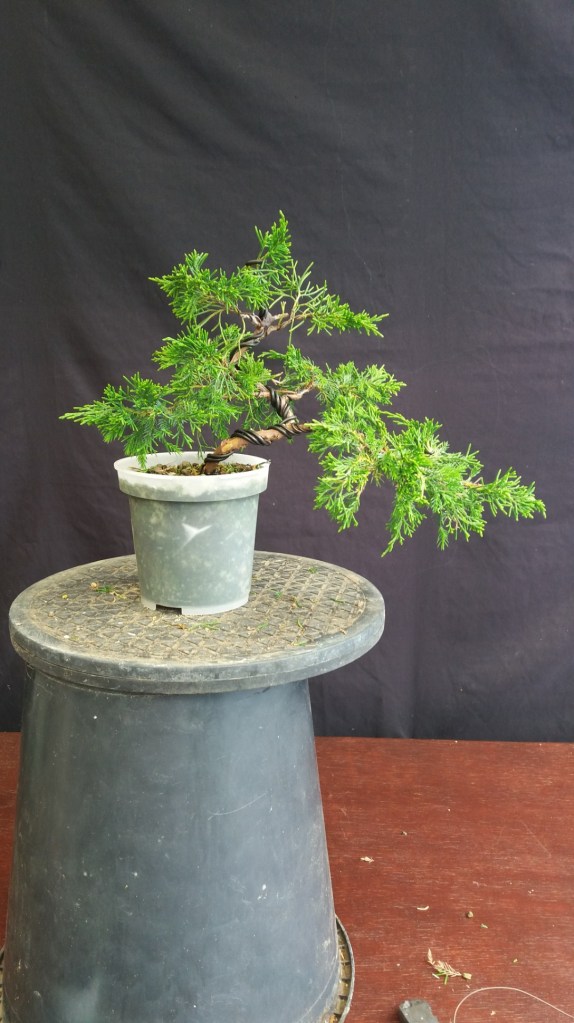
Below: But now and then when I hold one of the older ones in my hands I get the urge to style it, like the one below that I made a few weeks ago so that the eventual buyer has a good base to start from!

I hope you enjoyed this little post?! Stay safe everybody and keep them small!

Cheers, Hans van Meer.

Cheap and easy to use alternative for Raffia.

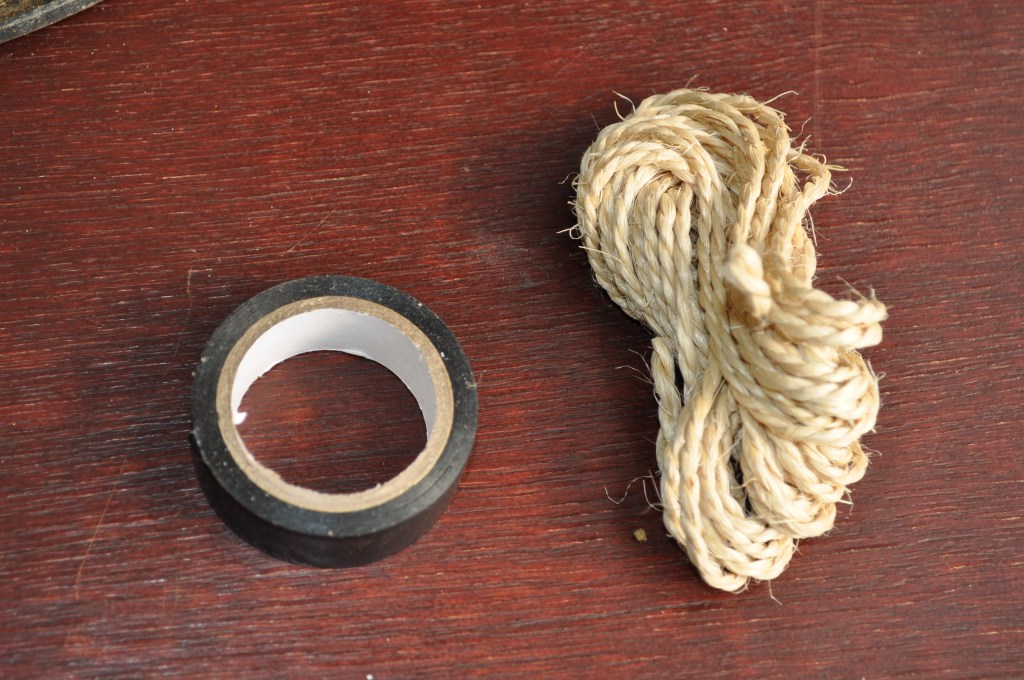
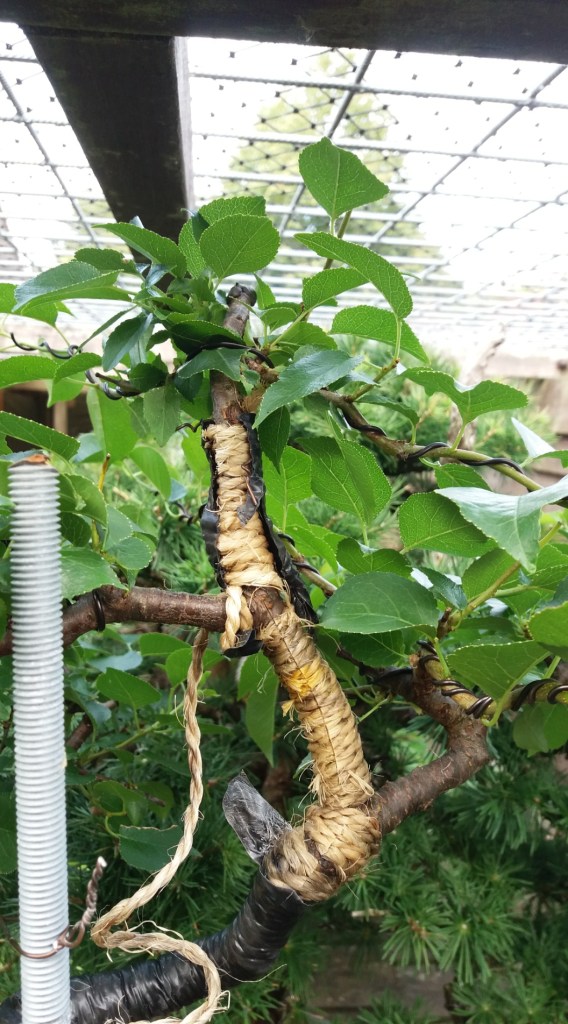
Bending a branch or a trunk with the help of aluminium or copper wire is one of the most important and commonly used techniques when styling raw material or Bonsai. Hard-to-bend and easy breakable branches or even trunks are often tightly wrapped within water-soaked Raffia before the wire is applied to protect them from cracking or breaking. when that is done properly the chance of breaking while bending is reduced to a minimum! But the appliance of a bundle of these sometimes 1.5 meters long and socking wet strings of Raffia on a good ramified or smaller tree with little room to move and breakable branches and foliage is not that easy! No fare from it, because they get stuck behind every little branch or foliage and more often than not small branches are broken when applying wet Raffia, especially on deciduous trees! So A couple of years ago to avoid that risk of damage, I started to use regular household 5 mm Sisal rope that you can buy all over the world in any good household store. A long enough cut-off piece of Sisal rope is so much easier to hold, handle and apply than those heavy wet sticking to everything strings of Ravia! When the branch/trunk is enough protected with tightly wrapped Sisal, I will wet the Sisal thoroughly with water and then seal it all tightly with electrical tape. This way the Ravia will stay wet for many months preventing little cracks that might occur from bending to dry out! The necessary wires to bend the branch or trunk are applied over the tape and then bending can be done safely!

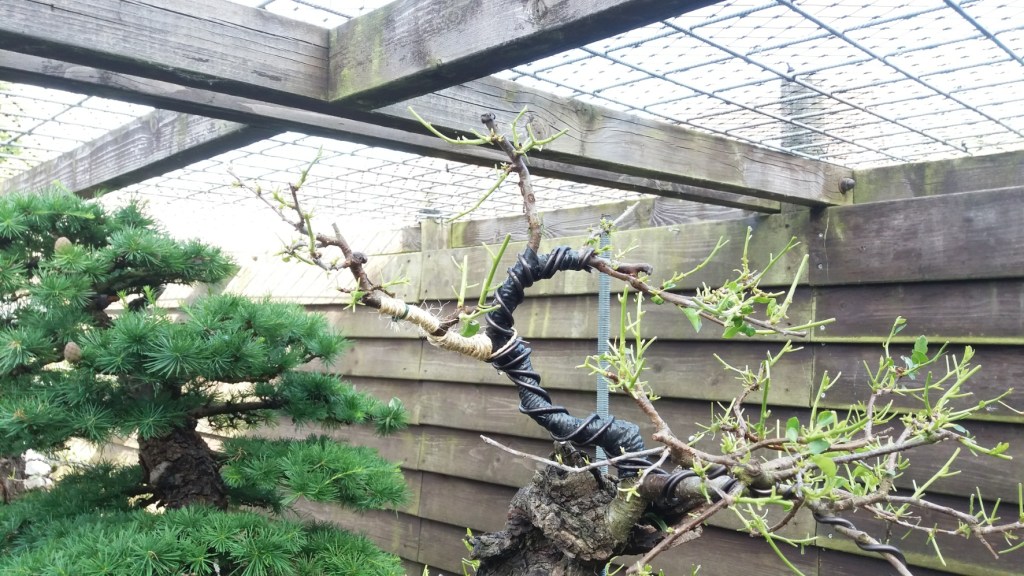
Below: A thumbs-thick Prunus mahaleb yamadori trunk is safely heavily bent with a minimum of wires. The branch on the left side still needs to be soaked and tightly wrapped with tape.

Below: Taped, wired and bent without any damage or problems!

Below: Late summer the tape is cut with a sharp hobby knife and removed! Without any harm or damage, the Sisal rope is very easily rewound to get it off…so much easier and safer than with Raffia!!!

Give it a try the next time you have to protect a branch or trunk on a difficult-to-reach place or fragile tree!

Cheers, and stay safe!

Hans van Meer.

My first real job in “Plaswijk Park” Rotterdam.

Way back in the early seventies, I must have been around 12 years old when my niece took me to the “Plaswijk park” in Rotterdam (Hillegersberg) that was and still is on another side of Rotterdam then where I used to live. This beautiful old large amusement/nature park was home to several animals like monkeys, kangaroos, births and horses that children could ride around a U-shaped parkour for 10 cents. There was a space tower overlooking one side of the park and on the other side the boats on the lake and the islands that surrounded it for a large part. You could take a trip on a longboat to see those lakes or hire a rowing boat to do the same. And it was home to one of the largest playgrounds I had ever seen! With crazy dangerous attractions that would not pass any safety check these days! And there was an ancient “mary go round” and several typical “Dutch” restaurants with Patat (chips, fries) with mayonnaise or Poffertjes (small pancakes) with melting butter and powdered sugar on top! 🤗😋MMMMmmm!! Needless to say that I had a great first day and was even allowed to visit the stables and help with walking around the track with the ponies! After that visit, I went back many a time to help and play and had many greasy adventures with the many human and animal friends there! Later I even had my first paid job there renting out the rowing boots or running the box office of the “Maze”, where I use to show pretty girls the way out for a kiss! 😁
But the best part was the interaction and helping to take care of the many animals that lived there!
The often amazing adventures that I had in the “Plaswijkpark” were and still are a great lesson in friendships human and animal alike…it certainly was one of the best and most important times in my life! This park fired a lifelong love for animals, nature and pretty girls!😉

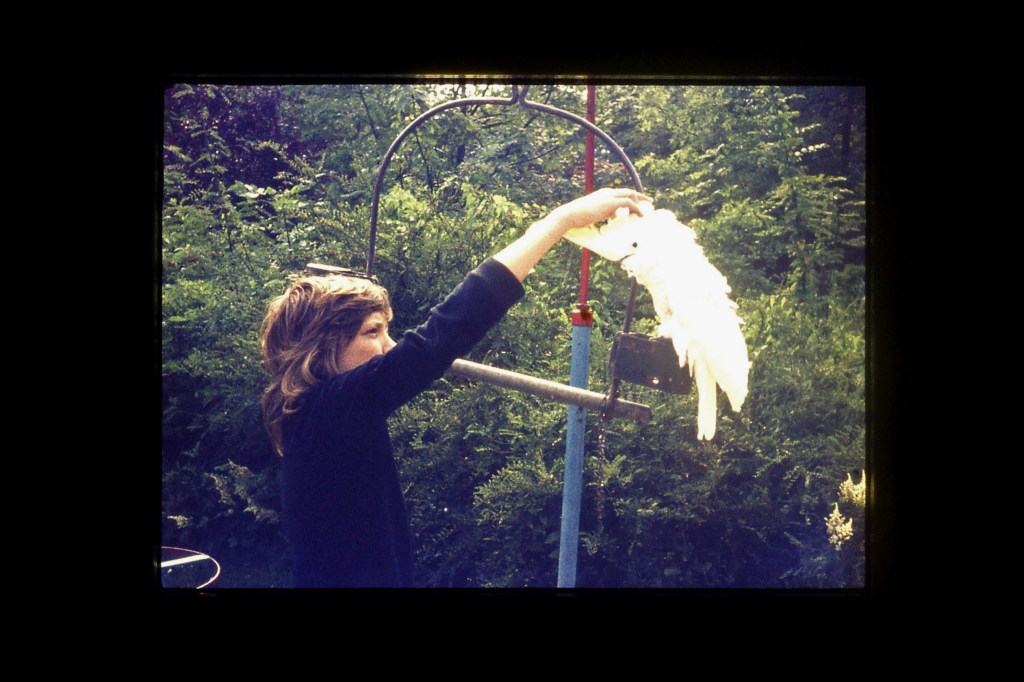
The following few pictures were originally made in 1974 by my dear Father who I proudly showed around the park. Some time ago my big Sister Hennie restored the following pictures from those original old slides. 😘Below: me aged 13 with “Lorre” one of several parrots that lived in the park. 

Below: with “Sjacko” the cheeky little capuchin monkey.

Below: always going for the hair!

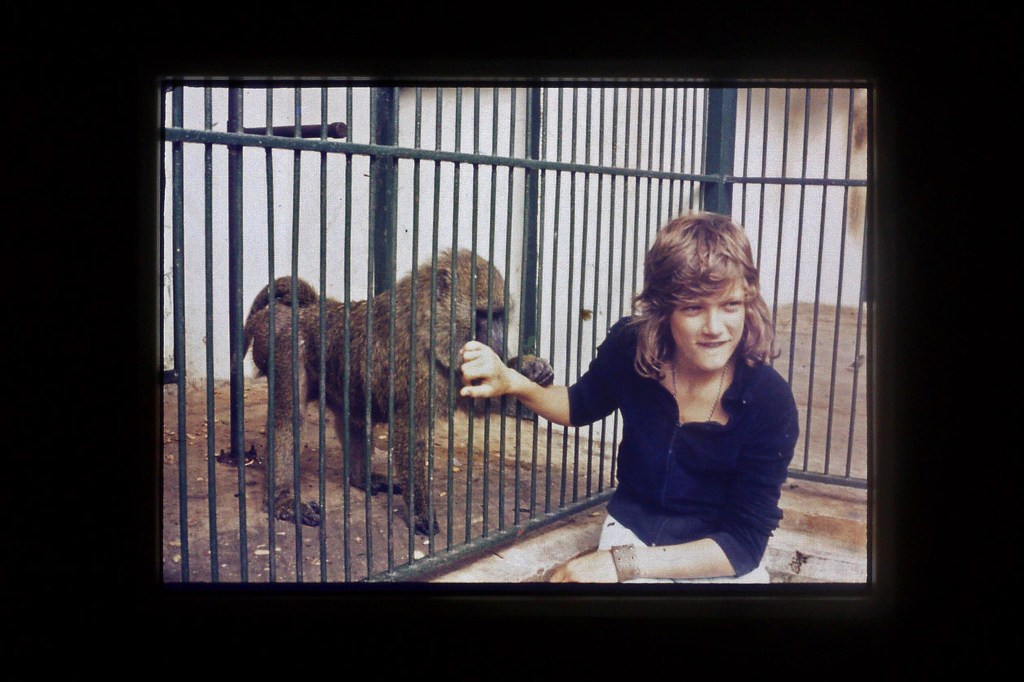
Below: with my dear old girlfriend “Anja” the Baboon. She was so lonely all by herself and was so thankful for any attention…that is to the right person! 😁 She could flee me (carefully scrapping off little pieces of skin) for as long as I sat with her!🥰

The often amazing adventures that I had in the “Plaswijkpark” (Rotterdam) were and still are a great lesson in friendships, human and animal alike…it certainly was one of the best and most important times of my life! Thanks, Sis!!!

Cheers,

Hans van Meer.
Update on the one Sabina Juniper that became two Sabina’s Junipers Yamadori.

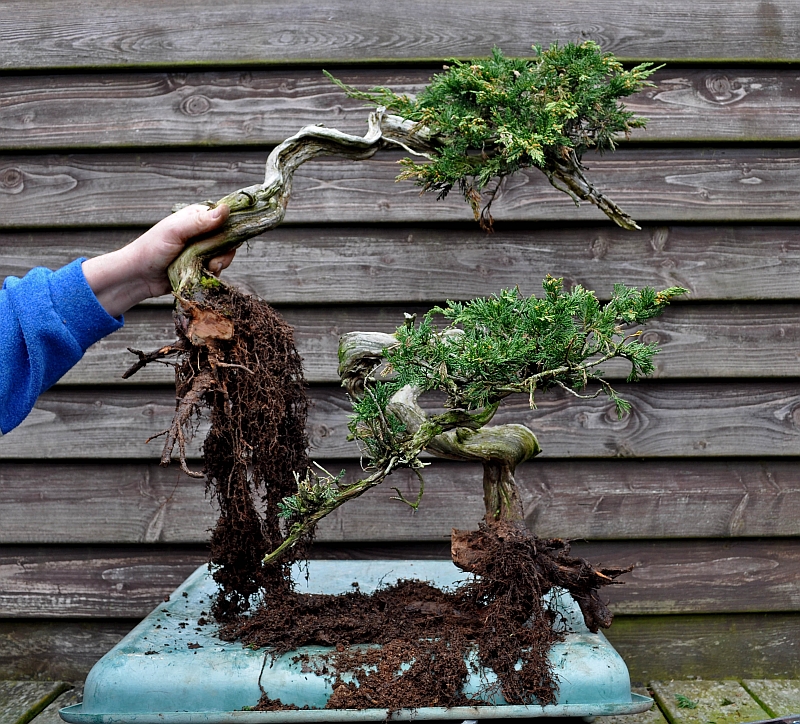
Remember my earlier post from 2018 where I with a saw separated one Sabina Juniper Yamadori into two Sabina’s?! I bought it a year earlier in 2017 at my long-time Bonsai friend Teunis – Jan Klein his amazing Bonsai Center “Deshima” (NL). In April 2018 I believed that it was strong enough to be sawed in half! By doing so I created two new beautiful trees! Below: Just before the separation.

Below: Successfully separated to become two Bonsai in the future!

Below: Fast forward to the middle of September 2020. The two new pre-Bonsai have been heavily fed the whole growing season and both look very ready to be styled for the first time!

Below: The second one always reminded me of an old cascading Literati Juniper that I found very inspiring in my early Bonsai years. But for that sort of image, I have to tilt it heavily next repotting to create the cascading movement! But that is for the near future!

Below: It will be styled tilted something like this with a sharp inclination like a ski jumping ramp, with smaller and thinner foliage peds on the lower part of the image creating a lot of visual speed down to the left! I am very excited about this second one and am looking forward to starting styling them both further!

I hope you like my ideas for these two Sabinas?!

Cheers, and stay safe everybody!

Hans van Meer.
Update pictures of my windswept Yamadori Taxus.

First a short recap/history: It was discovered and collected by me during my visit to the U.K in November 2007. It was growing from underneath a large flat-like bolder that itself was covered by several smaller ones!


Below: After some hard work finally freed from its crushing heavy load!

Below: Spring 2010. After a scary time when it lost most of its foliage, it fought back with a lot of strong-growing new branches! I saw such beautiful movement and story in that long broken thick branch that protrudes to the right from the base of the trunk. But I basically had to rebuild her a completely new frame from her bottom upwards! With all-new branches on and in my eyes a very promising live base for something daring?! But such a change to create a vision you have from your inspiring living entity doesn’t come too often when you live in an almost Yamadori-less country like Holland! So, of course, I went for it!

Below: An hour later in its new pot with plenty of room to grow fast producing lots of growth on the fast-thickening branches!

Below: 24-4-2016. After 6 years of heavy feeding and free growing, it is time for branch selection and foliage thinning. All this time I was thinking a lot about how to utilise that long almost ripped-off to the right protruding Jin in my design!

Below: One hour and one full garbage back with cut-off branches later, this is all that was left of the 6 years of growth! The new top truck section went during this time from pinky thick to wrist-thick…amazing!

Below: This is how she looks after all the unusable branches were removed!

Below: 17-9-2020. And this is how she looks today. A windswept Yew. Besides some guidewires, there is not much wire on it at this moment. The future plan is that in just a few more years it will look like a Yew that is bettered by seasonal winds and storms from the left behind. The direction of the deadwood and protruding long Jin is proof of just how fears and devastating these winds are! In the near future when all the now still young branches are more mature and a bit fuller with small foliage, the outline of the foliage pads and the total outline image will be much clearer! But no way with perfectly triangle-shaped foliage peds on exuberant bright deadwood as we see so often these days! Nothing wrong with that, don’t get me wrong! But with limited and precious time on my hand…why should I do what so many others have done before? I wanted to create my expression of strong wind through a struggling but surviving tree! And it happens to be this Yew with that long Jin that started the thought of that idea again in my head! Funny how those things go?! And now the hunt for a special rectangular pot has begun and the next couple of years will be spent on filling and refining all the smaller foliage and deadwood. Height: 65cm/26 inch.


I hope you like it?!

Cheers, and stay safe everybody!

Hans van Meer.
Pictures of two of mine old Hawthorns with red berries.

Hi everybody!

Yesterday I made some pictures of two of my old Hawthorns with red berries that I would like to share with you all! Although they have somewhat larger leaves than usual from all the water that I had to give during last Summers 3 months of record-breaking temperatures and that I had to remove some half-burned leaves, I still wanted to take some pictures of them because they are so pretty with these bright red berry’s and to show that they are so resilient and strong as a specie! These two are both collected by me in beautiful Walles during the second half of the nineties and since then I have always worked with great pleasure with them! I hope you like them as much as I do?!

This first one in the not so often seen Literati style is 68cm/27inch high and has stunning rare old natural deadwood/shari spiralling around the whole length of the trunk! The living bark on the trunk has deep dark cracks running from bottom to top and shows great age! It was collected in early ’97 on my second trip to the UK as the guest of Tony, Terry and Mike! I later potted it just like I was advised to do by my experienced friends…but nothing happened during the later anxious months?! So I called Tony in a panic for help and his words were: don’t throw it away and keep it sheltered and make sure it doesn’t dry out! They often skip a year after collecting! So just wait and see…and pray! And boy how I was happy when a year later it started budding like crazy! They sure are amazing survivors and pretty easy to maintain as a Bonsai! Over the years I had the big honour to show her in several big shows like the Ginkgo Awards and The Noelanders Trophy and in 2009 she even made it onto the cover of the “American Bonsai and stone appreciation magazine!” How cool is that?! And she is still going strong to date!!!

Below: Because of the way too-large leaves and the berries, the top looks too heavy…but it is normally way lighter and just right. The pot that normally suds it perfectly was specially custom-made for her by my dear old friend Brian Allbright (UK).

Below: This second Hawthorn was collected in ’96 on my very first collecting trip to the UK…as a matter of fact: my first collecting trip ever! I was invited by Bonsai live long friends Tony Tickle and Terry Foster and boy what an adventure it was for this Bonsai rookie! This one has also been proudly shown in many shows over the years and she gets more and more beautiful as she gets older! It is 43 cm/17 inches high. The pot was a gift from my old friend and great Bonsai artist and potter Dan Barton (UK) that I proudly received when I was a guest in his house. It was a pot from his personal collection and I am more than proud to show his gift under this for me already important tree!


I hope you enjoyed these images of these my old Lil’ Hawthorn friends?! Stay safe everybody!
Cheers,
Hans van Meer.